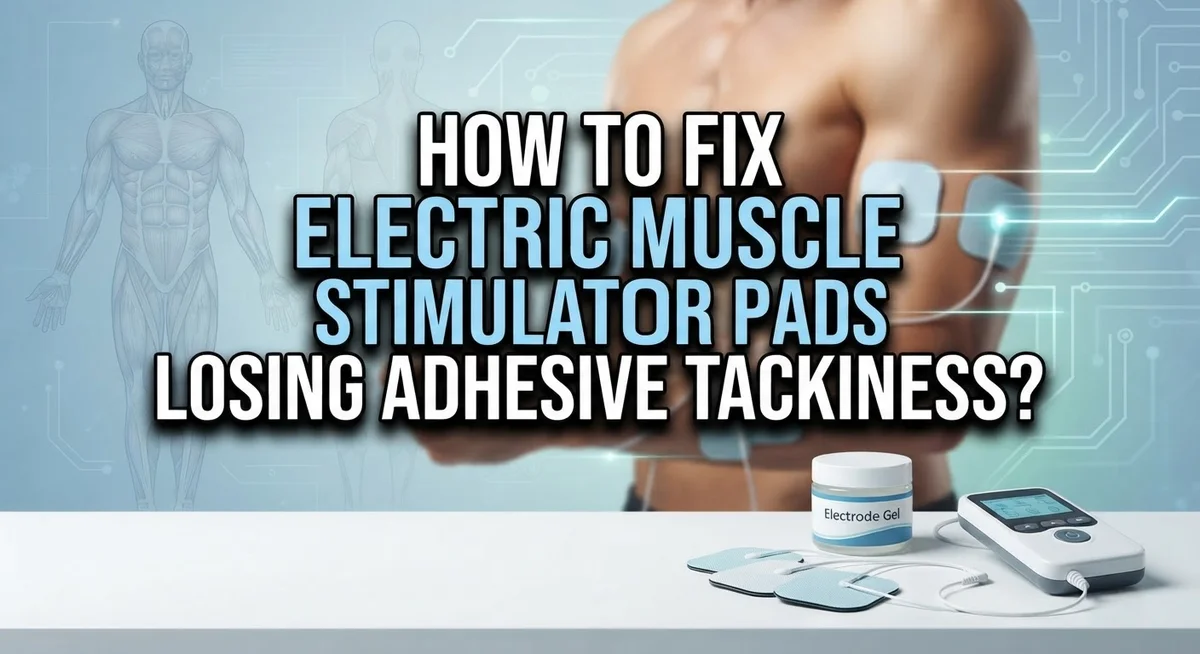
How To Fix Electric Muscle Stimulator Pads Losing Adhesive Tackiness?
Your electric muscle stimulator pads feel less sticky than before. You press them onto your skin, but they slide off during your session. This is a common problem, and it does not mean your pads are ruined.
Most sticky pads lose their grip because of a dirty gel surface. Sweat, lotion, dead skin, and dust build up over time. This buildup blocks the gel from bonding with your skin properly.
The good news is simple. You can often fix this issue at home with things you already have. A little water and the right cleaning method can bring back most of that lost tackiness.
In a Nutshell
- Dirt is the main culprit. A dirty gel surface causes most tackiness loss. Clean it first before trying anything else.
- Water works wonders. Use a damp, lint free cloth or your fingertips. Clean the gel surface with light, circular motions.
- Skip paper towels. They leave fibers on the gel and make things worse. Always choose a soft cloth instead.
- Apply electrode gel. This restores stickiness quickly. It also boosts adhesion when water alone is not enough.
- Try an electrolyte solution. This is a great backup option. It helps bring back tackiness on stubborn pads.
- Avoid rough scrubbing. Gentle motions protect the gel surface. Aggressive cleaning can damage pads permanently.
- Clean pads often. Regular care prevents dirt buildup. This simple habit extends your pad’s lifespan significantly.
Why EMS Pads Lose Their Stickiness
Electric muscle stimulator pads lose their stickiness for straightforward reasons. Understanding why this happens helps you fix the problem faster.
The primary cause is dirt and debris buildup on the gel surface. When you use your pads regularly, they pick up dust, dead skin cells, sweat, and lint from your clothing. This layer of grime sits on top of the adhesive gel and blocks direct contact between the pad and your skin.
Heat also plays a role in adhesive loss. The gel can dry out faster when exposed to warm environments or direct sunlight. As moisture evaporates from the gel, the stickiness decreases naturally over time.
Improper storage contributes to tackiness problems too. If you leave pads exposed to air without protective backing, the gel surface dries out quickly. The adhesive needs moisture to stay effective.
Repeated use without cleaning speeds up the degradation process. Each application picks up more material that coats the gel. This buildup creates a barrier that prevents the pad from gripping your skin properly.
Age matters as well. Even with perfect care, electrode pads have a lifespan. The gel formula breaks down gradually, and the adhesive properties weaken over months of use.
Aggressive handling can damage the gel surface. Rough scrubbing, peeling pads off too quickly, or storing them improperly causes cracks and tears in the adhesive layer.
The good news is that most tackiness loss is reversible. Dirt removal and gel reapplication restore functionality in most cases. By addressing these causes early, you can extend your pads’ lifespan significantly and keep them working effectively for longer periods.
What You’ll Need Before You Start
Before you start fixing your pads, gather a few basic items. You probably have most of these at home already.
First, get a damp cloth that is lint free. A microfiber cloth works best for this job. Regular washcloths are fine too, as long as they do not shed fibers. Keep paper towels away from this task. They leave tiny pieces behind and make your gel surface worse.
Next, you will need clean water. Tap water is perfectly fine. Fill a small bowl or cup so you can dampen your cloth easily. The water should be room temperature, not hot or cold.
Gather some electrode gel if you have it on hand. This is the sticky substance that comes with most muscle stimulator kits. If you do not have electrode gel, an electrolyte solution works as a backup. Both restore adhesive tackiness effectively.
Have your electric muscle stimulator pads ready. Set them on a clean, flat surface where you can work comfortably. Make sure you have good lighting so you can see the gel surface clearly.
Optional items include a soft brush or your fingertips. Both work well for gentle cleaning. Some people prefer using their fingers because they can feel how clean the gel is becoming.
Finally, prepare a dry cloth or paper towel for the final step. You will use this to pat your pads dry after cleaning.
That is all you need. This simple collection of items lets you restore your pad tackiness without spending extra money or buying special products. Your pads will feel sticky again in minutes.
Step-by-Step: Cleaning Your Pads to Restore Tackiness
Start by gathering your supplies. You need clean water, a damp lint-free cloth, and your electrode pads. Have a dry cloth nearby for the final step.
Wet your cloth with lukewarm water. The water should dampen the cloth, not soak it. Excess water can damage the gel layer underneath.
Gently wipe the gel surface of each pad using light, circular motions. Let your fingertips guide the cloth across the entire adhesive area. Work slowly and deliberately.
Pay special attention to the edges where dirt accumulates most. Debris builds up along the borders and reduces stickiness. Spend extra time cleaning these problem areas.
Use your fingertips directly on the gel if you prefer. Your fingers are actually excellent cleaning tools because they’re gentle and precise. Apply minimal pressure as you work.
Rinse your cloth frequently under running water. A dirty cloth spreads old residue around instead of removing it. Clean cloth means better results.
Wipe each pad at least three to four times. One pass rarely removes all the buildup. Multiple passes ensure thorough cleaning of the gel surface.
Check the pad’s appearance as you work. The gel should look clear and shiny when properly cleaned. Cloudy or dull spots indicate remaining dirt.
Dry the pads completely with your dry cloth. Moisture left on the surface interferes with adhesion. Pat them dry gently without rubbing hard.
Let the pads air dry for a few minutes after towel drying. This ensures no moisture remains trapped in the gel. Your pads are now ready for electrode gel application if needed.
Applying Electrode Gel for Extra Adhesion
Electrode gel is your best tool for restoring lost adhesion to muscle stimulator pads. This gel works by adding a fresh sticky layer directly to the pad surface. The process is simple and takes just a few minutes.
Start with clean, dry pads. If your pads still have dirt on them, clean them first using the water and cloth method. Once they’re completely dry, you’re ready to apply the gel.
Apply a thin, even layer of electrode gel across the entire pad surface. Use your fingertip or a small applicator to spread it smoothly. You don’t need much—a light coating is more effective than a thick glob. Focus on getting complete coverage rather than loading it on heavily.
Let the gel sit for about 30 seconds to one minute. This allows the adhesive properties to activate properly. The pad should feel noticeably stickier once the gel sets slightly.
Test the tackiness before placing it on your skin. Press your finger gently against the pad. It should feel sticky and hold your finger briefly. If it still feels dry, apply a bit more gel and wait another 30 seconds.
For best results, reapply electrode gel every few uses. This prevents the pad from drying out between sessions. Regular reapplication keeps your pads working effectively without needing replacement.
Store any remaining electrode gel in a sealed container. Keep it in a cool, dry place away from direct sunlight. Proper storage prevents the gel from drying out and becoming unusable.
This simple step extends your pad lifespan significantly and maintains consistent electrical contact with your skin.
Mistakes That Damage Pads Faster
Damaging your electric muscle stimulator pads faster happens when you make simple mistakes during cleaning and storage. Understanding these errors helps you keep your pads working longer.
Paper towels cause real problems. Many people grab paper towels to clean their pads, but this is a mistake. Paper towels leave tiny fibers stuck to the gel surface. These fibers block electrical contact and reduce adhesion. Use a soft, lint-free cloth instead. Cotton cloths work best because they don’t shed fibers.
Aggressive scrubbing damages the gel layer. You might think hard scrubbing cleans better, but it actually harms your pads. Rough motions break down the gel structure and create tiny tears. The gel becomes uneven and loses its sticky properties faster. Always use gentle, circular motions with light pressure.
Neglecting regular cleaning speeds up tackiness loss. Dirt builds up on the pad surface over time. This buildup sits between the gel and your skin, preventing good contact. When you skip cleaning sessions, dirt hardens and becomes harder to remove later. Regular maintenance prevents this problem.
Storing pads incorrectly causes premature damage. Leaving pads exposed to air dries out the gel quickly. Stacking pads on top of each other can cause them to stick together permanently. Store your pads in a cool, dry place with their protective backing attached.
Using expired electrode gel creates poor adhesion. Old gel loses its effectiveness and becomes sticky unevenly. Check your gel’s expiration date before applying it to your pads.
These mistakes compound over time. One error might not cause immediate problems, but multiple mistakes together shorten your pad lifespan significantly. Stay mindful of your cleaning technique and storage habits to keep your pads performing well.
Daily and Weekly Care Habits That Extend Pad Life
Your daily and weekly care habits determine how long your electric muscle stimulator pads stay sticky. Consistency matters more than occasional deep cleaning. Develop a simple routine that takes just a few minutes.
After each session, wipe your pads with a soft, lint-free cloth. This removes sweat, skin oils, and dust before they dry onto the gel surface. A damp cloth works best for this quick maintenance step. Your pads will stay cleaner throughout the week.
Once weekly, perform a thorough cleaning. Use lukewarm water and gentle circular motions on the gel surface. Work slowly around the edges where dirt accumulates fastest. Rinse your cloth frequently to avoid spreading debris back onto the pads. This weekly habit prevents buildup that causes tackiness loss.
Store your pads properly between uses. Keep them in a sealed container or on their backing sheet with the protective plastic attached. Exposure to air dries out the gel quickly and reduces adhesion. A cool, dry location works best for storage.
Check your pads before each use. Look for visible dirt, dried gel spots, or discoloration. Catching problems early prevents complete adhesive failure. If tackiness feels slightly reduced, clean the pads immediately rather than waiting.
Apply fresh electrode gel every five to seven uses. This simple step restores adhesion without requiring replacement pads. A thin, even layer across the entire surface works best.
These daily and weekly habits cost nothing and take minimal time. Your pads will maintain strong adhesion for months longer. The key is staying consistent with your care routine rather than neglecting pads until problems appear.
Troubleshooting: When Pads Still Won’t Stick
When your electric muscle stimulator pads won’t stick despite your best efforts, the issue usually points to one of a few specific problems. Let’s work through practical solutions that actually fix the problem.
Dirty gel is the most common culprit. Dust, skin cells, and lint accumulate on the pad surface over time. This buildup creates a barrier between the gel and your skin. Start by examining your pads closely under good light. Do you see visible dirt or discoloration on the surface?
Clean the pads gently with a soft, lint-free cloth slightly dampened with water. Use light, circular motions across the entire pad. This simple step removes the debris blocking adhesion. Never use paper towels, as they shed fibers that make things worse. Rinse the cloth and repeat until the gel looks clean and clear again.
The gel layer itself might be dried out or damaged. If cleaning alone doesn’t restore stickiness, the gel has likely deteriorated. At this point, reapplication becomes necessary. Apply a fresh layer of electrode gel across the pad surface. Wait 30 to 60 seconds for it to set properly before testing the tackiness.
Check for pad damage you might have missed. Look for cracks, tears, or areas where the gel is peeling away from the backing. Damaged pads won’t stick properly no matter how much you clean them. These pads need replacement.
Finally, verify you’re storing pads correctly between uses. Keep them on their backing sheet or in a sealed container. Exposure to air dries out gel quickly and reduces stickiness permanently. Proper storage prevents most adhesion problems from developing in the first place.
Knowing When Pads Need Replacing
Your electric muscle stimulator pads show clear signs when they need replacing. Understanding these signs helps you maintain effective treatment sessions and avoid wasted time with non-stick pads.
Loss of stickiness is the first warning sign. If your pads barely hold to your skin after cleaning and reapplying electrode gel, replacement time is near. The gel layer degrades with each use, and eventually, no amount of cleaning restores full tackiness.
Visible damage means immediate replacement. Look for cracks, tears, or areas where the gel peels away from the backing. These damaged spots prevent proper electrical contact with your skin and reduce treatment effectiveness. Even small tears spread quickly with repeated use.
Discoloration or darkening of the gel indicates aging. Fresh gel appears clear or slightly amber. Pads that turn dark brown or black have oxidized and lost their adhesive properties. The gel composition breaks down, making stickiness restoration impossible.
Crumbly or flaky gel texture signals the end of life. When gel pieces come off on your skin instead of staying intact, the pad structure has failed. This happens when pads dry out completely or experience improper storage conditions.
Uneven adhesion across the pad surface means replacement. Some areas stick well while others lift away. This uneven stickiness causes poor electrical contact and inconsistent muscle stimulation.
Test your pads before each session by pressing them firmly to clean skin. If they lift away within seconds or feel tacky in only one spot, they have reached the end of their useful life. Replacing worn pads ensures consistent, effective treatment every time you use your device.
Final Thoughts
Losing pad stickiness feels frustrating, but the fix is simple. Most adhesion problems come from dirt, not damage. A gentle clean with water often brings tackiness right back.
Grab a damp cloth, not a paper towel. Paper towels leave tiny fibers on the gel. These fibers make the surface feel rougher and less sticky.
Wipe the gel in light, circular motions. Scrubbing hard can tear the gel or pull it away from the backing. Gentle pressure works better than force.
If water alone does not help, try electrode gel. A thin layer restores the tacky feel almost instantly. Electrolyte solution works as a backup option too.
Think of your pads like reusable stickers. They need care to keep working well. Skip that care, and they wear out faster than they should.
Regular cleaning is your best defense against tackiness loss. A quick wipe after each session keeps dirt from building up. This small habit adds days or weeks to pad life.
Storage matters just as much as cleaning. Always place pads back on their backing sheet. Keep them away from dust, lint, and open air.
When cleaning and gel no longer help, the pads are likely worn out. Gel breaks down permanently with age and use. No amount of cleaning brings dead gel back to life.
Fresh pads make a real difference. They deliver better contact and stronger stimulation to your muscles. That leads to a more effective session overall.
Try the water first, gel second approach anytime pads feel less sticky. This two step method solves most adhesion issues fast. Keep it simple, keep it consistent, and your pads will serve you well.
Frequently Asked Questions
Why do electric muscle stimulator pads lose their stickiness?
The gel surface collects dirt, dust, and skin cells over time. This buildup blocks the adhesive from making proper contact with your skin. Regular use naturally degrades the gel layer, causing tackiness to fade. Even clean skin can transfer oils that reduce stickiness. The pads are designed to be reusable, but they need maintenance to stay effective.
How do I clean the pads to restore adhesion?
Use a soft, lint-free cloth slightly dampened with plain water. Gently wipe the gel surface using light, circular motions. Avoid paper towels, which leave fibers behind. Let the pads air dry completely before the next use. This simple cleaning restores most of the lost stickiness for most users.
What should I do if water cleaning doesn’t work?
Apply electrode gel to the pad surface after water cleaning. This reapplication adds moisture back to the dried gel layer. Spread it evenly across the entire pad. Allow it to set for a few minutes before use. If this still doesn’t help, the pads likely need replacement.
Can I use other liquids besides water and electrode gel?
Water is your best first option because it’s gentle and effective. Electrolyte solutions work as an alternative if you have them available. Avoid alcohol, vinegar, or harsh cleaners, which can damage the gel. Stick with simple, safe options that won’t harm the pad material.
When should I replace my pads instead of cleaning them?
Replace pads when they show visible cracks, tears, or peeling gel. Darkened or discolored gel indicates the pads are aging. Crumbly texture or flaking pieces signal end of life. If cleaning and electrode gel no longer restore stickiness, replacement is your best choice. Fresh pads make a noticeable difference in treatment effectiveness.

Hi, I’m Archie Flynn, the founder and writer behind RapidResizerHub! 👋 I’m a passionate tech enthusiast who loves exploring the latest gadgets, smart devices, and trending electronics on Amazon. Through my honest, hands-on reviews and detailed buying guides, I help readers make smarter, well-informed shopping decisions.