How to Repair a Torn Ear Pad Cushion on Wireless Headphones?
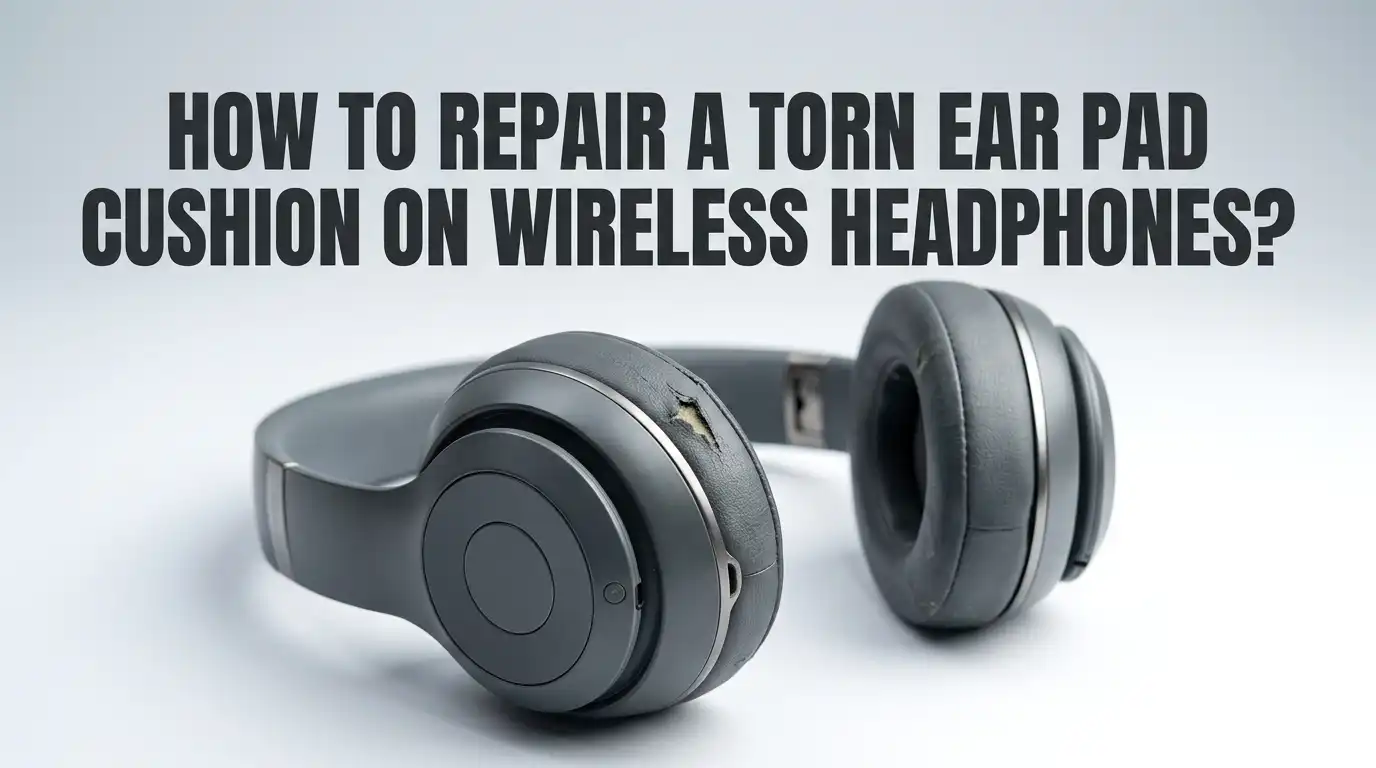
Your favorite wireless headphones suddenly have a torn ear pad. Tiny black flakes fall on your shoulders. The foam pokes through the leather. The sound seal feels off, and the comfort is gone. You are not alone in facing this problem.
Torn ear pad cushions are one of the most common headphone issues. The good news is that you do not need to throw your headphones away.
You also do not need to spend money on a brand new pair. A few simple tools, some patience, and the right method can bring your headphones back to life.
Key Takeaways
- Identify the damage first. Look at the tear closely. A small split needs a different fix than full peeling or crumbling foam. The right diagnosis saves you time and money.
- Temporary fixes work great for small tears. Fabric tape, super glue, or a sock cover can hold a minor tear together for weeks. These methods cost almost nothing and take minutes.
- Full replacement is the best long term answer. Universal ear pads fit most headphone brands. Replacing them gives you fresh comfort and a clean seal that boosts sound quality.
- Sweat, oils, and heat cause most ear pad damage. Polyurethane leather breaks down over time. Cleaning your pads weekly and storing them away from sunlight slows the damage.
- Match the size and mounting style carefully. Measure the outer and inner diameter of your old pads. Check if they snap on, glue on, or slide on before buying new ones.
- Some methods void your warranty. If your headphones are still under warranty, contact the maker before you cut, glue, or sew anything. They may send free replacement pads.
Why Ear Pad Cushions Tear in the First Place
Ear pads do not tear by accident. They wear out because of daily use and the materials they are made from. Most wireless headphones use polyurethane leather, also called PU leather or protein leather. This material looks like real leather but breaks down faster.
Sweat, body oils, and skin care products slowly eat away at the surface. Heat from your head and sunlight also dry out the coating. Over time, the leather flakes, cracks, and tears at the seams. Foam underneath then pokes through.
Friction plays a big role too. Every time you put your headphones on or take them off, the pads rub against your hair and ears. Cheap stock pads often last only one to two years with daily use. Knowing the cause helps you prevent future damage after your repair.
Tools and Materials You Need for the Repair
Gathering the right items before you start makes the job much smoother. You do not need fancy equipment. Most of these tools are already in your home.
For temporary fixes, you need clear tape, fabric tape, or super glue. A small pair of scissors and tweezers also help. For sewing repairs, grab a needle and thread that matches the pad color. Black thread works for most headphones.
For full replacements, you need new ear pads that match your model. A flat plastic spudger or guitar pick helps pry off old pads without scratching the headphones. Isopropyl alcohol and a clean cloth let you wipe away old glue. Keep a small bowl nearby to hold tiny screws or clips so they do not roll away.
How to Inspect the Damage Before You Fix Anything
Skipping the inspection step leads to wasted effort. Take your headphones to a bright spot and look closely at both pads. Even if only one pad looks torn, the other is usually close behind.
Check the seam where the leather meets the foam base. Small tears along the seam are easy to glue or sew. Look at the flat surface that touches your ear. If you see flaking or peeling there, the whole surface is breaking down. A patch will not hold.
Press the foam gently. If it feels hard, crumbly, or thin, the foam itself is dead. In that case, only a full replacement works. Take a photo of the damage. This helps you find the right replacement pad later if you decide to buy new ones.
Quick Temporary Fix Using Fabric Tape or Electrical Tape
If you need your headphones working in the next ten minutes, tape is your friend. This method is best for small tears at the seam or along the edge. Black electrical tape blends in well on most ear pads.
Clean the torn area with a dry cloth. Cut a thin strip of tape, around half an inch wide. Press it firmly across the tear. Smooth out any bubbles with your finger. For a cleaner look, use black fabric tape, which feels softer against the skin.
Pros include speed, low cost, and easy removal later. Cons are real too. Tape can feel sticky against your ear in hot weather. It may also peel off after a few days of use. This fix is a stopgap, not a long term answer, but it works in a pinch.
Using Super Glue or Contact Cement for Seam Tears
Glue offers a stronger hold than tape and lasts much longer. Contact cement is the top choice because it stays flexible after drying. Super glue also works but can become brittle.
Wipe the torn area clean. Apply a thin line of glue along both sides of the tear. Wait thirty seconds for the glue to get tacky. Then press the edges together and hold for one minute. Use a toothpick to spread the glue evenly and avoid messy blobs.
Pros include a strong, almost invisible repair that can last months. Cons are that super glue may crack if the pad flexes a lot. Some glues also stain light colored pads. Test a small spot first. Keep the glue away from the speaker mesh inside the cup, since fumes and drops can damage drivers.
Sewing a Torn Ear Pad for a Long Lasting Repair
Sewing sounds tricky but works very well on leather and fabric pads. This method shines when the tear is along a straight seam. A simple whip stitch is all you need.
Thread a small needle with thread that matches the pad color. Tie a knot at one end. Start sewing from the inside of the pad so the knot stays hidden. Pass the needle through both sides of the tear in small, tight loops. Keep your stitches close together, about two millimeters apart.
Pros include durability and a neat look when done with care. The repair often outlasts the rest of the pad. Cons are time and skill. Sewing takes around twenty minutes per pad. If the leather is too thin or flaky, the thread can tear right through it. Practice on a scrap first if you are new to sewing.
Covering the Pads with a Sock or Stocking Fabric
This trick is famous online and works surprisingly well for badly flaking pads. You wrap a thin fabric cover over the torn pad to hold everything in place. Old tights, nylon stockings, or thin cotton socks work great.
Cut a piece of fabric large enough to wrap around the pad with some extra material. Stretch it over the pad. Tuck the edges underneath or hold them in place with a small rubber band on the back. The fabric hides the damage and stops flakes from falling on your clothes.
Pros include zero cost, washable covers, and a soft feel against the skin. Cons are that the fabric can muffle sound slightly and may slip off during heavy movement. This method works best for casual home use, not for gym or outdoor wear.
How to Remove the Old Ear Pads Safely
Before you replace your pads, you need to take the old ones off without breaking the cup. Most wireless headphones use one of three mounting styles: snap on, glue on, or slide on with a plastic ring.
Start at the bottom of the pad. Slide a plastic spudger or guitar pick under the edge. Gently lift and work your way around the cup. Never use metal tools, since they scratch the plastic and can damage the speaker.
For glued pads, warm them with a hair dryer on low for thirty seconds. The heat softens old adhesive. Pull slowly and steadily. Pros of careful removal include keeping the speaker mesh and clips intact. Cons of rushing include broken plastic tabs and torn driver covers. Take your time. A slow ten minute removal saves a costly repair later.
Installing New Replacement Ear Pads Step by Step
New pads breathe fresh life into old headphones. The install is easier than the removal in most cases. Pick pads that match the size and mounting style of your originals.
Line up the new pad with the speaker cup. If the pad has a notch or marker, align it with the front of the headphone. Tuck the inner lip or plastic ring under the cup edge. Work your way around with your fingers, pressing the pad in evenly. Squeeze gently as you go to lock the pad in place.
Pros include a fresh comfortable feel, better sound seal, and a clean look. Cons are the cost, which usually ranges from cheap generic pairs to higher end memory foam models. Some pads also change the sound signature slightly. Read reviews for your specific headphone model before you choose.
How to Clean and Maintain Your Ear Pads After Repair
A repair is only as good as the care you give afterward. Cleaning your pads once a week stops new tears from forming. Sweat and skin oil are the main enemies.
Wipe the pads with a soft cloth dampened with water and a drop of mild soap. Avoid alcohol on PU leather, since it dries the surface. Let the pads air dry before you put the headphones back on. Never soak the pads or use harsh cleaners like bleach.
Store your headphones in a cool, dry place. Keep them out of direct sunlight and away from heaters. If you sweat a lot, wipe the pads right after each use. These small habits can double the life of your ear pads and protect your repair work.
When to Repair Versus When to Replace the Whole Headphones
Sometimes a repair is not worth the effort. If the speakers, battery, or headband are also failing, new headphones may be the smarter choice.
Repair makes sense when the ear pads are the only problem. High end wireless headphones are expensive, and fresh pads cost a small fraction of a new pair. A good replacement pad set can keep premium headphones going for years.
Replace your headphones if the battery no longer holds a charge, the sound is distorted, or the headband is cracked. Pros of repairing include saving money and reducing waste. Cons of repairing a worn out pair include the risk of more problems showing up soon after. Weigh the cost of pads against the cost of a new model before you decide.
Frequently Asked Questions
Can I use regular school glue to fix torn ear pads?
School glue is not strong enough for ear pads. It dries stiff and peels off quickly. Super glue or contact cement gives a much better hold and stays flexible during use.
How long do replacement ear pads usually last?
Most replacement pads last one to three years with daily use. Memory foam pads with quality PU leather can last longer. Sweat, heat, and how often you use them affect the lifespan most.
Will replacing ear pads change how my headphones sound?
Yes, slightly. New pads create a better seal, which often boosts bass response. Thicker or thinner pads can also shift the sound balance. Stick with pads close to the original size for the most familiar sound.
Can I wash my ear pad cushions in the washing machine?
No, never put ear pads in the washing machine. The water and tumbling will destroy the foam and leather. Wipe them with a damp cloth and mild soap, then air dry them.
Is it safe to use a hair dryer to remove old glued ear pads?
Yes, on a low heat setting and for short bursts of thirty seconds at most. Hold the dryer six inches away from the pad. Too much heat can melt plastic parts or damage the speaker driver inside the cup.
What if my headphones do not have removable ear pads?
Some sealed models are not designed for easy pad swaps. You can still try a fabric cover or careful glue and stitch repairs. Contact the maker first, since they sometimes offer factory pad replacement services.

Hi, I’m Archie Flynn, the founder and writer behind RapidResizerHub! 👋 I’m a passionate tech enthusiast who loves exploring the latest gadgets, smart devices, and trending electronics on Amazon. Through my honest, hands-on reviews and detailed buying guides, I help readers make smarter, well-informed shopping decisions.